




If you've ever been to a Saturday night at a social club in Yorkshire, you've probably seen a vocal entertainer. They're the backbone of live entertainment in clubs, pubs, holiday parks and private parties across the North. But what exactly is a vocal entertainer, and how do they differ from a wedding singer or tribute act?
Definition
A vocal entertainer is a singer who combines a strong voice with personality, humour and audience interaction. They usually perform to high-quality backing tracks, covering a wide range of styles and decades, and they're experts at reading a room.
The key word is entertainer. A vocal entertainer doesn't just sing; they work the crowd, tell stories, crack jokes and get everyone involved.
How they differ from other acts
Wedding singers
Wedding singers often focus on polished performances for a wedding audience, with a strong romantic and party repertoire. Many vocal entertainers also do weddings, but their style is generally more interactive.
Tribute acts
A tribute act recreates a specific artist. A vocal entertainer performs songs by many artists in their own style.
Bands
A band plays live instruments. A vocal entertainer is usually solo, though some play guitar or keyboard live.
Types of vocal entertainer
- Personality vocalists: heavy on banter and audience interaction. Lina and Adam Wilson are personality vocal entertainers.
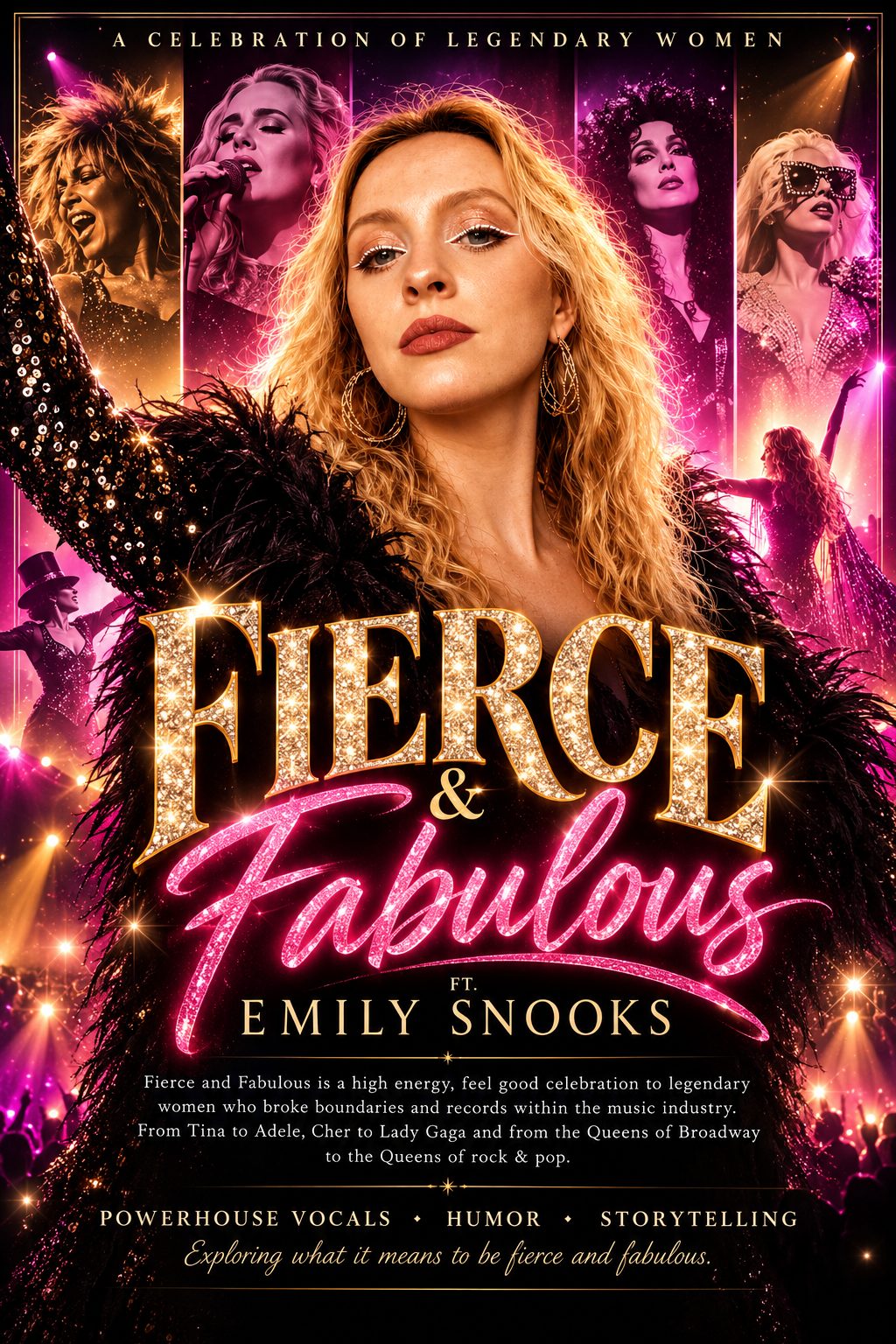
- Lively party vocalists: high energy and dance-floor focused, like Kim B and Emily Snooks.
- Instrumental vocalists: play live alongside backing tracks. Phil James is a keyboard wizard and vocalist; Taff Tenerife is a musician, entertainer, DJ and compère.
- Compères: combine singing with hosting. Mike Carlton is a personality vocal entertainer and compère.
Why book a vocal entertainer?
- Versatility: they can cover multiple decades and genres.
- Adaptability: they read the room and change the set on the fly.
- Compact: a solo performer fits almost any venue.
- Value: one performer can deliver a full night's entertainment.
- All-in-one: many also provide DJ music between sets.
Where they work best
- Social clubs and pubs: the traditional home of the vocal entertainer.
- Birthday and anniversary parties: they can tailor the set to the guests.
- Holiday parks: versatile acts for a changing audience.
- Weddings: particularly smaller weddings or venues with sound limits.
What to look for
- A strong voice: watch live videos.
- Personality: do they connect with the audience?
- Repertoire: does it suit your guests?
- Experience: have they worked similar events?
A typical performance
Most vocal entertainers perform two spots of around 45 minutes, sometimes with DJ music in between. The first spot often warms the room up; the second is the party.
A brief history
Vocal entertainers grew out of the working men's club and cabaret circuit that flourished across Yorkshire, Lancashire and the North East from the 1960s onwards. Clubs put on live entertainment every weekend, and performers learned to hold a room full of people who had come to drink, talk and play bingo as well as listen. That training made them experts at reading an audience and keeping a night moving.
Backing tracks transformed the circuit. Where singers once worked with a resident organist and drummer, high-quality tracks allowed one performer to sound like a full band, in almost any style. Today's vocal entertainers draw on huge libraries of tracks covering everything from swing and Motown to the latest chart hits.
Why they suit private parties
At a private party, the audience is often more varied than at a club: children, teenagers, parents and grandparents together. A vocal entertainer can switch between Sinatra, Abba, Oasis and Dua Lipa in the space of a few songs, watching which tracks bring people to the dance floor and which send them to the bar. That flexibility is hard to match.
They're also practical. Most need only a small performance area and one or two sockets. They set up quickly, and many will play background music while guests arrive and between sets.
Questions to ask a vocal entertainer
- What styles and decades does your set cover?
- Can you take requests on the night?
- Do you provide DJ music before, between and after your sets?
- How long are your spots?
- Can you learn a special song if we ask in advance?
- What space and power do you need?
Tips for getting the best from your act
Tell the entertainer about your guests: the age range, any favourite artists, the reason for the celebration and the names of anyone who should get a mention. Give them a clear timeline with food, speeches and finish time. The more they know, the better they can tailor the night.
Male or female vocalist?
Both can deliver a brilliant night. Some hosts choose based on the music: a male vocalist for Sinatra, Elvis and rock, a female vocalist for divas, Motown and modern pop. Others think about the audience, or simply watch videos and pick the performer whose personality they like best. Many entertainers on our books cover a very broad range regardless.
Quick answers
Do vocal entertainers do weddings?
Many do, particularly evening receptions and smaller weddings.
Can they also DJ?
Many provide DJ music before, between and after their sets. Ask when you book.
Are there any hidden booking fees?
No Hidden Booking Fees. The price we quote is the price you pay. No additional agency booking fees or unexpected charges. We usually ask for a deposit to secure the date, and everything is confirmed in writing before your event.
Can I check if an act is free before I enquire?
Yes. Most act profiles have a live date checker, and Check your date shows who is available across our roster. Diaries change quickly in busy periods, so we always confirm availability when you enquire.
Ready to book?
Browse our male vocalists and female vocalists, including Simon Young, or request a quote.
Ready to find your act?
Flair Entertainments has been booking entertainers for clients across the UK since 1984. Send us your date, venue and the kind of night you want and we’ll come back with acts that suit.